
A newly published book, DU @ 100: An Anecdotal History by Seema Gupta and Neelesh Kulkarni, explores the significant role played by Delhi University (DU) students in the Indian freedom movement. It details stories of prominent student revolutionaries, protests, and the campus atmosphere during the struggle for independence.
Revolutionary Alumni and Incidents
The book highlights Amir Chand, an ex-Stephanian, who was one of four students hanged in 1915 for involvement in the Hardinge bomb case. The revolutionaries targeted Viceroy Lord Hardinge in 1912, injuring him in an attack led by Rash Behari Bose. Amir Chand, alongside other notable students from St. Stephen’s College, were subsequently arrested and sentenced, with several executed in Delhi Central Jail.
St Stephen’s College also had professors like CF Andrews and CF Young supporting nationalist causes. The Ramjas College hostel was noted as a hotbed of nationalist activities, with revolutionary figures such as Chandra Shekhar Azad seeking refuge there.
Student Activism During the 1940s
In November 1940, the All India Students’ Federation led a general strike at DU protesting arrests within the freedom movement, led by Muqimuddin Farooqui from St. Stephen’s College. Farooqui was expelled from college, fueling widespread student protests.
The mass participation intensified after Gandhi’s call to “do or die” in 1942, with students from Hindu College, Indraprastha College, and St Stephen’s actively engaging in protests despite police crackdowns, arrests, and college shutdowns. The colleges experienced boycotts, picketing, and establishment of charkha associations as part of the nationalist effort.
 NAAC A++
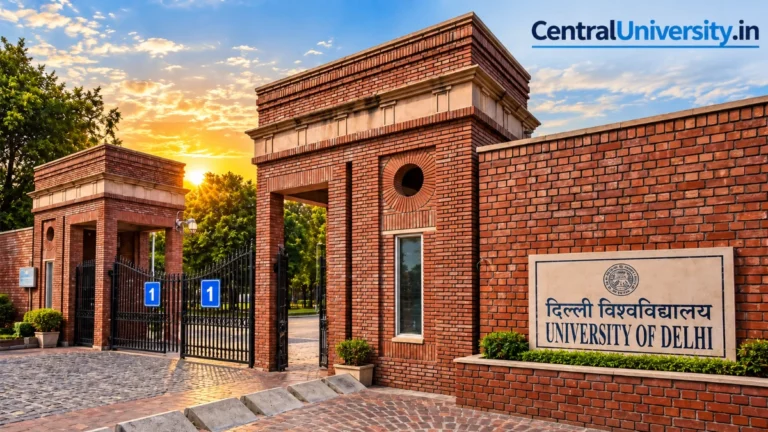
 NIRF #5 (2025)University of DelhiNew Delhi, DelhiAdmission: CUET UG, CUET PG, JEE MainEst. 1922View details
 NAAC A++
 NIRF #2 (2025)Jawaharlal Nehru UniversityNew Delhi, DelhiAdmission: CUET UG, CUET PG, NET/JRFEst. 1969View details
 NAAC A++
 NIRF #4 (2025)Jamia Millia IslamiaNew Delhi, DelhiAdmission: CUET UG, CUET PG, NET/JRFEst. 1920 · 239 acresView detailsCSU
 Central UniversityCentral Sanskrit UniversityNew Delhi, DelhiAdmission: CUET UG, CUET PG, NET/JRFEst. 1970View details
 NAAC A++
 NIRF #1 Open UniversityIndira Gandhi National Open UniversityNew Delhi, DelhiEst. 1985View detailsSLBSN
 Central UniversityShri Lal Bahadur Shastri National Sanskrit UniversityNew Delhi, DelhiAdmission: CUET UG, CUET PG, NET/JRFEst. 1962View detailsSAU
 Central UniversitySouth Asian UniversityNew Delhi, DelhiAdmission: Own Entrance, NET/JRFEst. 2010View details
Communal Harmony and Repression
The book records attempts by the British to sow communal discord by canceling essential supplies like wheat permits to DU colleges after Indraprastha girls sent rakhis to Muslim soldiers. Despite this, students and faculty persisted in their activism until independence.
Post-Independence and University Challenges
When India gained independence in 1947, DU students participated in celebrations amid the tragic aftermath of Partition violence around the campus. No convocation was held that year due to the disruption. The university faced challenges accommodating thousands of refugee students who fled from Pakistan.
This book provides a detailed account of the bravery, challenges, and commitment of Delhi University’s student community during the nation’s struggle for freedom.